
As the days get shorter and the weather gets colder, your homestead starts to feel cozier than ever. You (and your animals) spend more time indoors, hearty food fills the kitchen, and the heavy blankets have come out of storage. But as a landowner, especially with other structures on your property, winter homesteading means more than getting warm by the fireplace: You have a lot of responsibilities to take care of to stay safe, comfortable, and self-sufficient during the cold months ahead.
In this comprehensive guide, our land experts walk through the basics of homesteading in the winter, from stockpiling supplies to practicing seasonal outdoor safety. We also share ideas for fun winter activities the whole family can enjoy!
Ultimately, being prepared is the best way to ensure your acreage, animals, and family are safe, healthy, and happy all season long. Keep reading to discover all the ways you can have a successful winter season as a homesteader this year.
Preparing Your Land for Harsh Winter Conditions
No matter your property type, all homesteaders should diligently evaluate their land before winter sets in. During the fall, identify winter-specific needs on your property and the strategic adjustments you can make.
Some needs might include:
- Access to feeding areas – Snow, heavy rain, and mud all pose threats to your winter feeding system. If you don’t have stockpiled forage, you’ll need to make sure your animals have a high, dry feeding area for optimal sun coverage and soil drainage.
- Sheltered zones – Your animals, equipment, and stockpiles need protection from the elements, too. If you do have stockpiled forage, you’ll need a shelter out of the wind and snow where animals can eat safely. You’ll also want to keep equipment covered and dry to prevent rust and damage.
- Access roads – Not all roads are as accessible in the winter as they are in the summer, especially if they’re unpaved. Do you need to fill in any potholes? Do you have a small plow that can attach to your vehicle? Road preparation will vary widely by area and weather conditions.
- Pending repairs – If you’ve been meaning to fix a leaky roof or broken pipe, now is the time. Cold, icy conditions only make these problems worse.
Taking these steps in advance will help support daily living once it gets colder and allow you to put sustainable systems in place that you can rely on year after year.
Essential Structures Every Winter Homestead Needs
Winter shelter is more than your house: Functional homesteads are often supported by a variety of structures throughout the winter. Your land may benefit from:
- Insulated barn – Keeping a barn warm and dry is important for all livestock. Proper insulation now will also help prevent mold growth down the line.
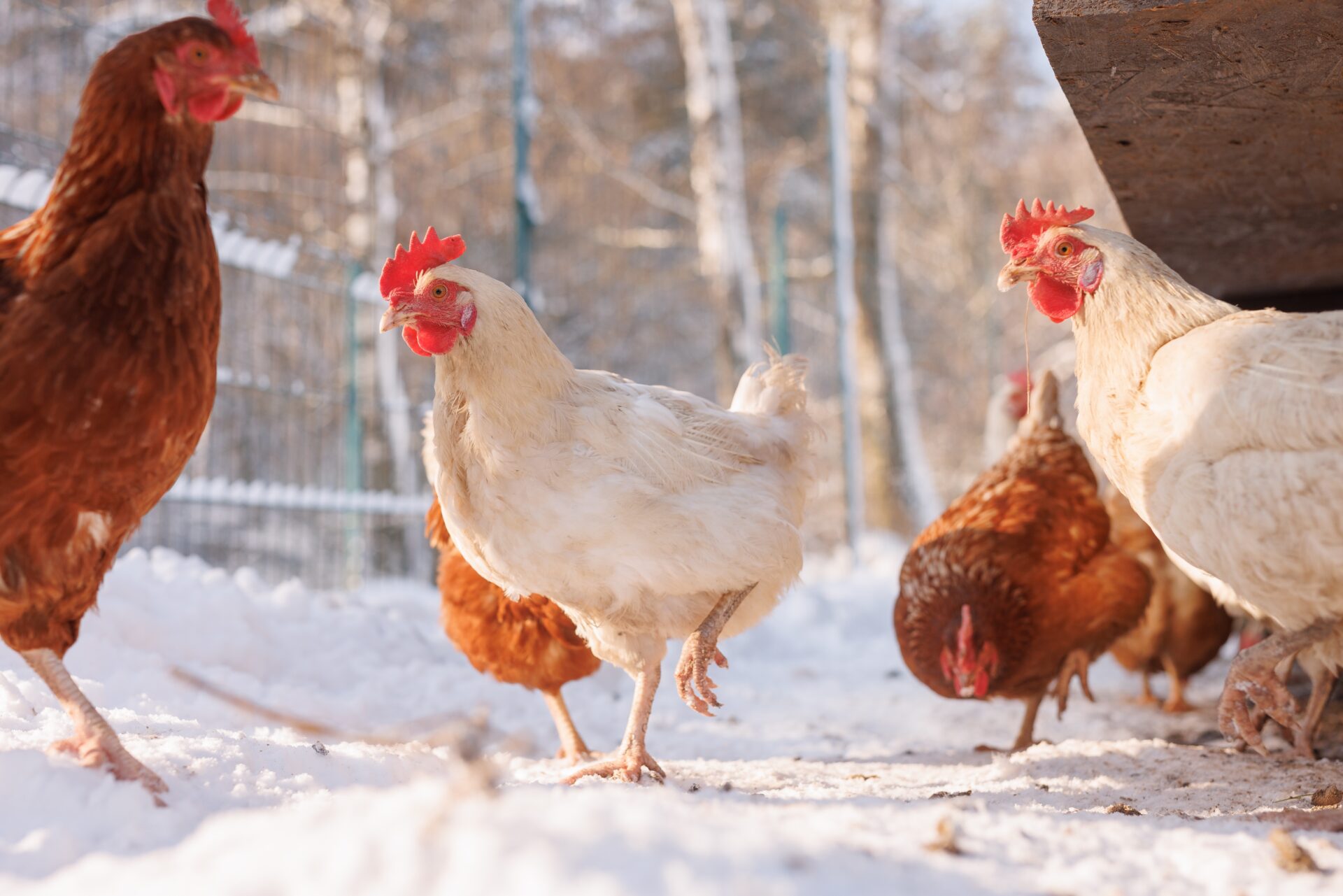
- Enclosed coop – Winterizing your coop is key for maintaining a safe and comfortable environment even in the coldest conditions. Consider sealing off any holes, insulating the interior, building elevated wooden roosts, and using a small window or roof vent to allow air flow.
- Root cellar – Root cellars use the earth’s natural cooling and insulating properties to preserve food without having it freeze during the winter. You can use your basement or dig your own root cellar. They’re ideal for storing surplus produce or jars of canned and pickled products.
- Weather-ready storage – Weatherproof shelters for all your equipment, feed, and tools are essential to preventing water damage, mold, and frost.
Each of these structures is important for cold-weather living on a homestead. But structures aren’t the only factor to think about.
Winter Care for Livestock and Outdoor Animals
Since they can’t be toasty warm inside with you and the dog, your outdoor animals need some extra TLC in their living spaces. Make sure you have:
- Proper shelter – Protection from the elements is crucial for all livestock. As mentioned, an insulated barn is the best long-term method. You can also install windbreaks on your property for grazing animals. These temporary or permanent shelters can be built using just two sides to block wind and snow buildup.
- Warm bedding – Deep, dry bedding like straw is your best bet for optimal insulation, warmth, and moisture control.
- Feed adjustments – In the winter, livestock need more calories to stay healthy and warm. You’ll need to increase their feed intake during the colder months.
- Accessible water sources – Livestock always need access to fresh water sources, so it’s important to keep their water from freezing in frigid temperatures. Fortunately, there are many ways to keep water warm, such as insulated tanks, plug-in heaters, heat tubes, and solar heating.
Adjusting your care practices during the winter ensures your animals stay healthy even in harsh conditions.
Stockpiling Supplies for Long Winter Months
During a long and bitter winter, it’s crucial to be prepared with enough supplies, especially in rural or remote areas. If a blizzard hits and you can’t leave home, it’s important to have what you need to survive.
With that in mind, make sure to stock up on:
- Food staples – Keep a stockpile of food with a long shelf life, such as canned and dry goods, preserves, and snacks. Always have a couple of gallons of water, too. And don’t forget about water and animal feed for your livestock.
- Heating fuel – This will depend on your property’s heating sources. For instance, if you use firewood, make sure to always have a stockpile of dry logs. You can also store extra generator fuel in a safe place.
- Tools – An everyday toolbox always comes in handy, as does a pocket knife. Make sure to have alternatives to common items if you lose power, such as a manual can opener and a battery-operated radio.
- Emergency items – A first-aid kit, medications, flashlights, candles, matches, batteries, power banks: Everyone’s list will slightly differ, but it’s important to have the basics.
Gather these must-have supplies before winter to ensure your homestead remains safe and resilient.
Building a Winter Emergency Preparedness Plan
Self-sufficiency goes a long way in everyday homesteading success. We recommend that all homesteaders and landowners create a practical winter emergency plan to stay prepared, no matter what a harsh winter throws at you.
Think through different emergency scenarios and how you would be equipped to handle each one. Consider backup heat, communication strategies, evacuation considerations, first-aid essentials, and more.
For instance: “If the power goes out, these are the supplies I have, and these are the ways I’ll care for my animals. I’ll be able to keep my phone charged using an external power bank.” Or in the event of an evacuation: “I know that my access road is usable (or that I can clear it), my vehicle has proper winter tires, and I can quickly pack essentials like warm clothes, food, and first-aid.”
Winter emergency plans will vary based on your region, but you and your family should nevertheless have a clear vision of how to handle any situation.
Turning Your Homestead Into a Cozy Winter Retreat
While winter can be a difficult season, it’s also full of potential for indoor and outdoor activities. Taking on some winter homesteading projects can help your space feel even more cozy and keep you busy when you’re cooped up in the house. Try new arts and crafts, can fruit and vegetables, make jam, bake treats, or redecorate your space. Use soft lighting from lamps or candles to create the ultimate cozy winter retreat.
Winter also offers plenty of seasonal outdoor recreation, whether you love snow sports or simply spending time in nature. Skiing, snowboarding, ice skating, snowshoeing, sledding—there are countless activities to enjoy, oftentimes in your own backyard.
Winter-Friendly Activities for the Whole Homestead
Spending time outside and enjoying winter activities together isn’t just a great way to bond with the family; it also helps you feel more connected to your land, knowing that your acreage provides for you year-round.
Some of our favorite family-friendly winter activities include:
- Snowshoeing paths
- Wildlife tracking
- Making birdfeeders
- Ice fishing
- Firepit gatherings
- Stargazing
Even just taking a walk outside can open up the day to so many potential activities.
Why the Right Piece of Land Makes Winter Homesteading Easier
The success of a winter homestead depends on a lot of factors, starting with choosing acreage that supports year-round living. The right piece of land needs to stay functional and safe throughout all seasons and weather conditions. This means carefully assessing water access, acreage layout, natural windbreaks, space for livestock, soil quality, and more before making an investment.
Fortunately, it’s easy to explore homesteading land for sale on Land.com, the nation’s leading marketplace for buying and selling rural real estate. Use our convenient filters to narrow your search by size, price, land use, outdoor activities, and more. Before you know it, you’ll find the perfect plot to build your dream homestead.
Our land experts are here to help you discover properties that align with your long-term goals and have a strong foundation to thrive in every season. Connect with a local land specialist today to get started on your homestead journey.
Sources:
Farm and Dairy. Selecting a winter feeding area. https://www.farmanddairy.com/columns/selecting-a-winter-feeding-area/593857.html.
University of Minnesota Extension. Caring for chickens in cold weather. https://extension.umn.edu/small-scale-poultry/caring-chickens-cold-weather.
The Old Farmer’s Almanac. Root Cellars: Types and Storage Tips. https://www.almanac.com/content/root-cellars-types-and-storage-tips.
Western Livestock Journal. Windbreaks for protection and snow diversion. https://www.wlj.net/windbreaks-for-protection-and-snow-diversion/.
Ohio State University. Ensuring Healthy Herds: The Critical Role of Water Management for Livestock in Winter. https://u.osu.edu/beef/2024/02/07/ensuring-healthy-herds-the-critical-role-of-water-management-for-livestock-in-winter/.
University of Minnesota Extension. Preparing your cattle for severe winter weather. https://extension.umn.edu/beef-cow-calf/preparing-your-cattle-severe-winter-weather.