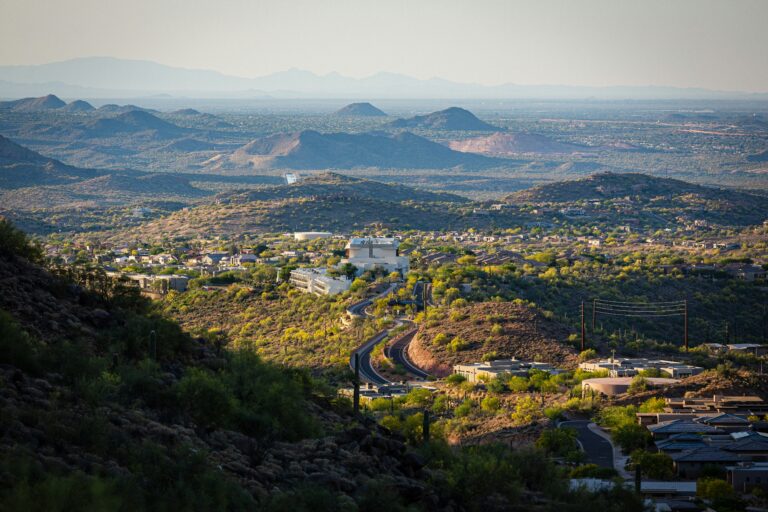

Purchasing land differs fundamentally from buying a house. Raw land purchases require specialized knowledge, different financing, and unique due diligence processes. This guide provides first-time land buyers with essential tips to navigate the purchase process successfully and avoid costly mistakes.
Financial Planning and Property Goals
1. Land Financing Requirements
Land loans require larger down payments than home mortgages. Raw land loans typically demand 20% to 50% down, charge interest rates 1% to 3% higher than conventional mortgages, and often come with shorter repayment terms than a traditional home loan.¹ Some lenders even structure land loans as short-term balloon loans, with a large final payment due after just a few years, so ask upfront how your specific loan is structured. Local banks, credit unions, and farm credit lenders often offer better land loan terms than national banks. Owner financing offers an alternative when traditional lending proves difficult.
Hidden development costs significantly impact your total investment. A land survey costs $400 to $1,800 for a standard boundary survey, though rural acreage with heavy woods or unclear records can run higher.² Getting utilities to vacant land costs $9,000 to $34,500 on average, and installing a well and septic system together typically runs $6,000 to $20,000, more if you hit bedrock or need to drill deep.² These infrastructure costs often exceed the land purchase price itself.
2. Land Use Determines Zoning Requirements
Zoning laws dictate permitted land uses. Residential zoning prohibits commercial activities and livestock. Agricultural zoning requires minimum acreage and permits farming operations. Rural residential zoning allows limited agricultural use with residential development. Mixed-use zoning enables commercial and residential combinations.
Deed restrictions override zoning permissions. Homeowners associations impose additional limitations. Conservation easements permanently restrict development rights. Mineral rights separations affect surface use permissions. County planning departments provide official zoning verification, often for a modest fee, so check with your local office for exact costs before you buy.
Essential Due Diligence Investigations
3. Surveys and Title Searches Prevent Legal Issues
Professional land surveys establish legal boundaries. Surveys reveal exact acreage, identify encroachments, mark easements, and determine flood zones. A standard boundary survey runs $400 to $1,800, though large or difficult rural parcels can cost several thousand dollars more.² Boundary surveys suffice for most purchases, while topographic surveys assist building planning.
Title searches expose ownership problems. Title companies discover liens, easements, deed errors, and competing ownership claims. Title insurance protects buyers against future claims. Owner’s title insurance typically costs 0.4% to 1% of the purchase price, a one-time fee that lasts as long as you own the property.³
4. Environmental Testing Determines Buildability
Soil percolation tests determine septic system viability. Failed percolation tests prevent septic installation, making properties unbuildable. A perc test costs $300 to $1,900, with most landowners paying around $1,300, depending on property size and how many test holes local regulations require.⁴ Clay soils, high water tables, and bedrock create septic system challenges.
Well water quality affects habitability. Groundwater testing reveals bacterial contamination, mineral content, and chemical pollutants. According to the U.S. Geological Survey, about one in five domestic wells nationwide contains at least one contaminant at a level of potential health concern, most often naturally occurring metals, radionuclides, or nitrate.⁵ Water testing costs $150 to $500 through certified laboratories. Western states require separate water rights verification.
5. Access Rights and Utility Availability
Legal access requires deeded easements. Landlocked properties lack value without legal access. Private road agreements create shared maintenance obligations. Road development costs vary widely depending on distance, terrain, and materials, so get a firm quote from a local contractor before you buy.
Utility connections determine development costs. Running electricity to a property typically costs $5 to $25 per linear foot, or $2,500 to $12,500 on average.² Internet and cable service may be unavailable or considerably more expensive to extend. Propane tanks replace natural gas in rural areas. Solar panels and generators provide off-grid alternatives.
Property Evaluation Strategies
6. Seasonal Inspections Reveal Hidden Problems
Weather conditions affect property characteristics. Spring visits expose drainage problems and flood risks. Summer inspections show water availability and drought impacts. Winter access demonstrates snow removal challenges. Fall visits reveal hunting pressure and recreational use.
7. Future Development Impacts Property Value
Surrounding development plans affect rural property. County planning departments disclose proposed subdivisions, commercial developments, and infrastructure projects. New highways increase noise and traffic. Industrial operations create odors and contamination risks. Large parcel sales indicate imminent development pressure.
8. Property Tax Implications
Agricultural exemptions reduce property taxes. Farming and ranching activities qualify for agricultural valuations in many states, which can save thousands annually. Timber production provides similar tax benefits in some jurisdictions. Development triggers reassessment at higher values. Conservation programs offer tax incentives for preservation. Check with your county appraisal district, since qualification rules and savings vary significantly by state.
Investment Protection Measures
9. Insurance Requirements for Vacant Land
Liability insurance protects landowners from lawsuits. Trespassers can sue for injuries despite illegally entering property. Basic vacant land liability coverage typically costs $100 to $600 a year, with larger acreage, hunting leases, or higher-traffic parcels running toward the higher end.⁶ Attractive nuisances like ponds increase liability risks. Building construction requires different insurance policies.
10. Development Timeline Planning
Carrying costs accumulate on undeveloped land. Property taxes, insurance, and maintenance create ongoing expenses. Weed control and fence maintenance preserve property condition. Some jurisdictions require development within specific timeframes. Market conditions affect optimal development timing.
Critical Deal-Breakers to Avoid
Legal and Access Issues:
- No deeded access prevents property use
- Unclear title creates ownership disputes
- Boundary conflicts with neighbors require litigation
Environmental Constraints:
- Failed percolation tests prevent building
- Contamination requires expensive remediation
- Wetlands restrictions eliminate buildable areas
Financial Concerns:
- Seller refuses contingencies for inspections
- Unrealistic development cost estimates
- Hidden liens exceed property value
Land purchasing requires comprehensive due diligence. Professional surveys, environmental testing, and title searches prevent costly mistakes. Understanding zoning, access rights, and development costs ensures successful projects. Patient buyers who thoroughly investigate properties make sound investments. Rushed purchases without proper inspections create expensive problems.
Frequently Asked Questions
How much down payment do I need for a land loan?
Most lenders require 20% to 50% down for a land loan, more than a typical home mortgage. Raw, undeveloped land usually requires the highest down payment, while improved land with existing utilities and road access can qualify for a lower one.¹
Do I need title insurance to buy land?
It is not always legally required, but it is strongly recommended. Owner’s title insurance is a one-time fee, typically 0.4% to 1% of the purchase price, that protects you against ownership disputes, undiscovered liens, and deed errors that a title search misses.³
What is a percolation test and why does it matter?
A percolation, or perc, test measures how well soil absorbs water and determines whether a property can support a septic system. A failed perc test can make a parcel unbuildable unless you install a more expensive alternative system. Tests cost $300 to $1,900 depending on property size and local requirements.⁴
Is well water on rural land safe to drink?
Not automatically. USGS research found that roughly one in five domestic wells nationwide has at least one contaminant above a health-based benchmark, most often from naturally occurring sources like metals or nitrate.⁵ Always test well water before you buy or move in, and retest periodically afterward.
How much does it cost to get utilities to vacant land?
Budget $9,000 to $34,500 on average to bring electricity, water, and septic to a raw parcel, depending on distance from existing lines, terrain, and soil conditions.² Properties already near utility infrastructure cost significantly less to develop.
Do I need liability insurance if I’m not building on the land yet?
Yes. Trespassers can be injured on undeveloped land and sue the owner, even if they entered illegally. Basic vacant land liability coverage is inexpensive, typically $100 to $600 a year, and is worth carrying from the day you close.⁶
Browse Rural Properties at Land.com
Our team at Land.com works with the largest and most reliable land brokers and rural real estate agents in the country to provide a plethora of breathtaking rural properties for our customers to consider.
From wide-open Colorado ranches to untouched wooded plots deep in the Alaskan wilderness, we have gorgeous properties across the nation to choose from.
Put these tips to the test today and find your open space.
Sources
- LendingTree, “Land Loans in 2026: How They Work and How To Qualify” (updated May 2026) — https://www.lendingtree.com/home/mortgage/how-to-get-a-land-loan/
- HomeGuide, “How Much Does It Cost to Get Utilities on Land? (2026)” — https://homeguide.com/costs/cost-to-get-utilities-on-land
- First American, “How much does title insurance cost?” — https://www.firstam.com/home-buying-guide/how-much-does-title-insurance-cost/
- Angi, “How Much Does a Perc Test Cost? [2026 Data]” (updated April 2026) — https://www.angi.com/articles/perc-test-cost.htm
- U.S. Geological Survey, “Domestic (Private) Supply Wells” — https://www.usgs.gov/mission-areas/water-resources/science/domestic-private-supply-wells
- Easy Title Search, “Vacant Land Insurance: What It Covers and Why You Might Need It” (March 2026) — https://easytitlesearch.com/articles/insurance-for-vacant-land/