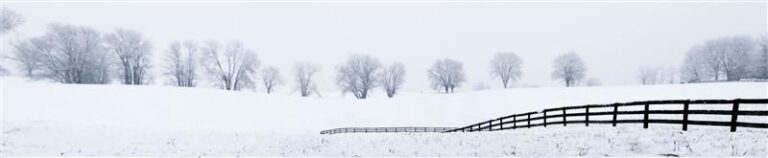
Although winter typically isn’t peak harvest season, that doesn’t mean you should throw in the trowel and wait for spring. Not only do lots of crops thrive in colder weather, but winter planting also improves your soil health year-round.
Whether you’re a homestead gardener or a landowner looking to optimize large-scale crop production, this beginner’s guide to winter crops will help you get the most out of your acreage.
Why Winter Crops Matter for Soil Health
Many of the crops that grow in winter are cover crops. This means they aren’t necessarily for harvest. Instead, their main function (as their name implies) is to cover the soil, and, in turn, improve its quality. In fact, planting cover crops in the winter offers an easy and sustainable way to:
- Protect your soil
- Prevent erosion
- Improve water retention
- Add nutrients and organic material to your soil
- Strengthen soil structure
Often, winter cover crops include types of legumes and grasses. To help you determine which crops to plant on your land this winter, let’s explore some of the best winter crops available.
Winter Rye
Winter rye is a versatile grain that has no problem withstanding harsh temperatures. In addition to being a grain source, it’s also a powerful cover crop. Winter rye’s root system naturally improves soil structure, which helps minimize erosion from wind or water runoff. Plus, it’s highly effective at suppressing weeds, acting as a natural herbicide for your acreage.
Winter rye also helps reduce nitrate levels in nearby drainage basins, promoting healthier water quality. Otherwise, excess nitrate can lead to algal blooms or kill off aquatic life.
Crimson Clover
Crimson clover is an annual winter legume known as a fast-growing cover crop. In addition to erosion control, it provides a hearty nitrogen source for your soil. In fact, crimson clover helps pull nitrogen from the atmosphere and increase nitrogen banking for your next harvest.
Crimson clover also helps increase organic matter in soil, which boosts fertility and reduces runoff. Not to mention, its ground cover and nitrogen scavenging help suppress weeds.
All in all, using crimson clover in your cold-weather crop rotation can work wonders for your land.
Winter Peas
Not only do winter peas grow well in the off-season, but they actually favor cooler weather, and they can survive in temperatures as low as -10° F! Winter peas grow quickly and provide a substantial amount of protection as a cover crop, particularly when it comes to enhancing soil health. That’s because winter peas produce high biomass and help enrich soil microbial populations. They also act as natural nitrogen fixers, helping improve soil quality for future plantings.,
Finally, winter peas can be harvested as a grain source, whether used for forage or added to livestock seed mixes.
Hairy Vetch
When you plant this annual winter legume in the fall, its root development will continue into the winter. Hairy vetch has no problem withstanding cold temperatures (even with some snow!) and provides excellent ground cover for your soil. If it’s supported by another crop, vines can grow up to 12 feet long.
Hairy vetch offers a ton of benefits for soil health, as it boosts nitrogen levels, reduces soil compaction, and improves water retention. Hairy vetch also helps suppress early weeds by shading the soil, especially when combined with another winter cover crop like crimson clover or winter rye.
Garlic (Bonus Cold-Hardy Food Crop)
Garlic isn’t a cover crop, but it is a tasty winter-hardy vegetable that thrives in cold temperatures. Some types of garlic even develop stronger tastes from being planted in the severe cold.
When used in crop rotation, garlic can help optimize soil health and harvest results. Not only is crop rotation one of the best ways to improve soil structure and fertility, but adding this reliable winter crop to your acreage will bring delicious flavors to your cooking year-round.
How Winter Crops Set Your Land Up for a Better Spring
Winter crops enhance soil health and quality. That means they’re quietly working all winter long to help prepare your land for spring planting.
Specifically, winter crops help to:
- Increase nutrients in the soil
- Reduce prep work like weeding and fertilization
- Improve overall land productivity
So, consider planting winter rye, crimson clover, winter peas, hairy vetch, and garlic this year. Incorporating even a few winter crops can make a noticeable difference in the long-term quality of your garden or farm’s soil.
Finding Land That Supports Productive Winter Growing
Determining what crops grow in winter is just the first step. It’s also important for you to evaluate how soil type, acreage, and regional climate will impact the success of your winter crops. Fortunately, you can find the perfect parcel for year-round planting on Land.com, the nation’s leading online marketplace for rural real estate.
Browse land for sale nationwide to discover acreage that meets your lifestyle, and connect with a land specialist to seal the deal. No matter what type of agricultural property you’re looking for, our land experts are here to help.
Sources:
University of California. Winter Cover Crops Improve Soil for Vegetable Plots. https://ucanr.edu/blog/over-fence-alameda-county/article/winter-cover-crops-improve-soil-vegetable-plots.
Sustainable Agriculture Research & Education. Cereal Rye. https://www.sare.org/publications/managing-cover-crops-profitably/nonlegume-cover-crops/cereal-rye/.
USDA. Rye the Right Crop for “Nabbing” Nitrates, Capturing Carbon and Generating Bioenergy. https://www.ars.usda.gov/news-events/news/research-news/2023/rye-the-right-crop-for-nabbing-nitrates-capturing-carbon-and-generating-bioenergy/.
Sustainable Agriculture Research & Education. Crimson Clover. https://www.sare.org/publications/managing-cover-crops-profitably/legume-cover-crops/crimson-clover/.
USDA. Winter Pea Cover Crop Fact Sheet. https://www.nrcs.usda.gov/sites/default/files/2024-07/Winter%20Pea%20Cover%20Crop%20Fact%20Sheet.pdf.
North Dakota State University. What to expect from winter peas in North Dakota. https://www.ndsu.edu/agriculture/ag-hub/impact-stories/what-expect-winter-peas-north-dakota.
Sustainable Agriculture Research & Education. Hairy Vetch. https://www.sare.org/publications/managing-cover-crops-profitably/legume-cover-crops/hairy-vetch/.
University of Georgia. Garlic Production for the Gardener. https://fieldreport.caes.uga.edu/publications/C854/garlic-production-for-the-gardener/.